
Phytocenosis in sand dunes at Guanabo beach, La Habana, Cuba. III. Back face of dune
Article Sidebar
Main Article Content
Abstract
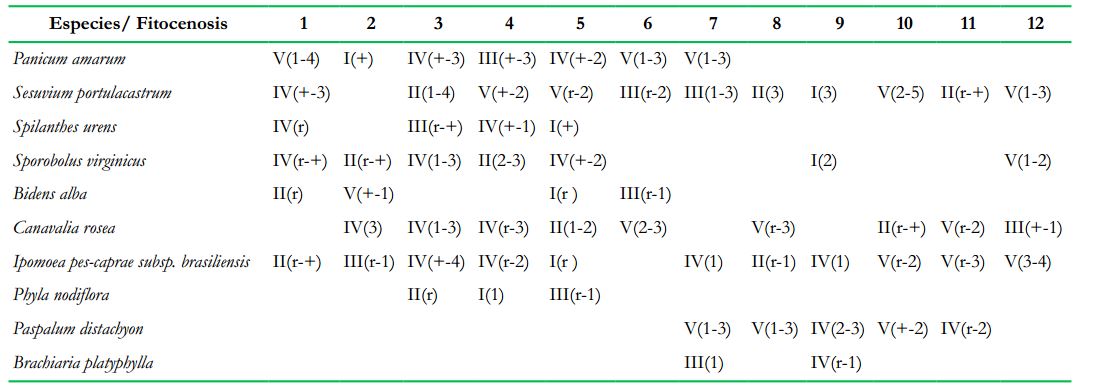
The evaluation and processing of the ecological characteristics of the near-shore communities and the review of the publications on phytocenosis allowed the description of new phytocenosis of the back face of the Guanabo beach dunes. The synanthropism of the plants and the ecosystem are closely related to the history of the site and the strong affectation caused by anthropic action. The phytocenological method of Zürich-Montpellier and the Phytosociological Nomenclature Code were used. The identification of phytocenosis and their synanthropic composition, in coastal sandy environments, is an important tool to assess the changes that occur in natural resources and ecosystems as a result of economic development and influences on environmental changes. When species are substituted by the entry or disappearance of individuals from the flora, modifications in the communities are caused, showing symptoms of adaptation and distribution in space and time. The use of the resilience capacity of the native synanthropic species in the coastal dunes can facilitate the restoration processes by allowing the stabilization of the dune sands, increasing their floristic composition and facilitating the development and multiplication of the species in the different strips or sectors of the dunes, thus making the efforts for the ecological restoration of the whole ecosystem viable.